Rachna Exports LogoRachna Exports
◆ DIAMOND KNOWLEDGE

Insights from the Heart of the Diamond Trade

Expert perspectives on diamond quality, sourcing, certification, and the global diamond industry — from Rachna Export's team of certified gemologists and trade specialists based in Surat, Gujarat.
Diamond supply chain compliance documentation with origin certificates and digital traceability records
COMPLIANCE — 2026

G7 Russian Diamond Sanctions and the New Traceability Era: A 2026 Compliance Guide

The G7’s phased ban on Russian-origin diamonds has entered its most restrictive phase in 2026, now covering all polished diamonds regardless of where they were cut. Simultaneously, the EU has introduced mandatory traceability requirements that demand chain-of-custody documentation from mine to market. For B2B buyers, compliance is no longer optional — it’s a market access requirement.

7 min read
Array of CVD lab grown diamonds in various sizes displayed on a modern grading tray
MARKET ALERT — 2026

The Lab Grown Diamond Price Crash of 2026: What Wholesale Buyers Need to Know Now

Lab grown diamond prices have collapsed 74% since 2020, with 1-carat D/VS1 CVD rounds now wholesaling under $250 per carat. Yet consumer adoption has never been higher — lab grown stones now account for over 60% of US engagement ring centre stones. This paradox of falling prices and rising demand is reshaping the entire diamond industry in 2026.

8 min read
International trade documents and diamond parcels on a customs inspection desk
BREAKING — 2026 TRADE

US–India Diamond Tariff Deal 2026: What the 18% Rate Means for Wholesale Buyers

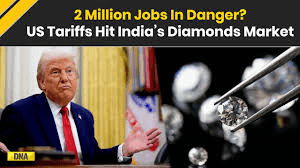
After months of uncertainty following the 2025 tariff surge to 50%, the US and India reached a landmark trade agreement in early 2026 reducing diamond import duties to 18%. For wholesale buyers sourcing from Surat, this changes everything — from landed cost calculations to competitive positioning against Antwerp and Tel Aviv.

7 min read
Diamonds exhibiting blue fluorescence under ultraviolet light in a gemological lab
FLUORESCENCE GUIDE

Diamond Fluorescence: Is It Good or Bad? The Truth Behind the Market Discount

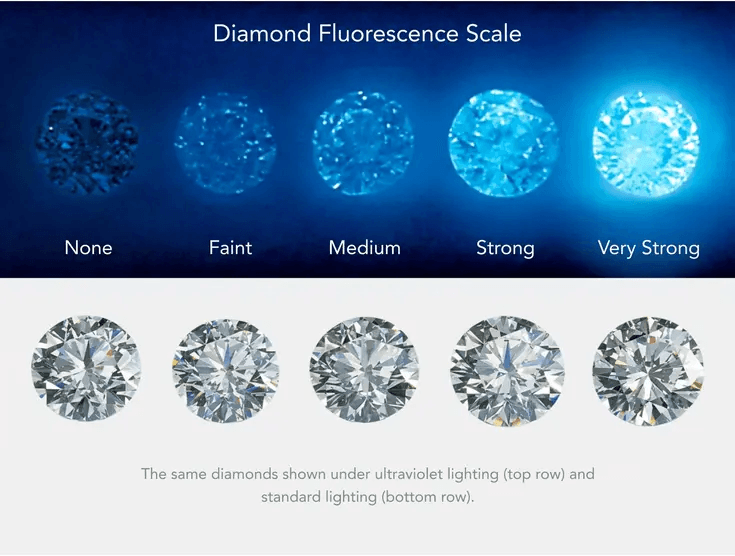
Strong blue fluorescence carries a 5–15% market discount on D–F diamonds and a smaller discount on G–H stones. But GIA’s own research shows fluorescence rarely affects visual appearance negatively — and can actually improve face-up colour in near-colourless stones. This is one of the diamond market’s biggest pricing inefficiencies.

6 min read
Side-by-side comparison of a moissanite and diamond showing brilliance and fire differences
DIAMOND ALTERNATIVES

Moissanite vs Diamond: The Complete Comparison for Jewellers and Wholesale Buyers

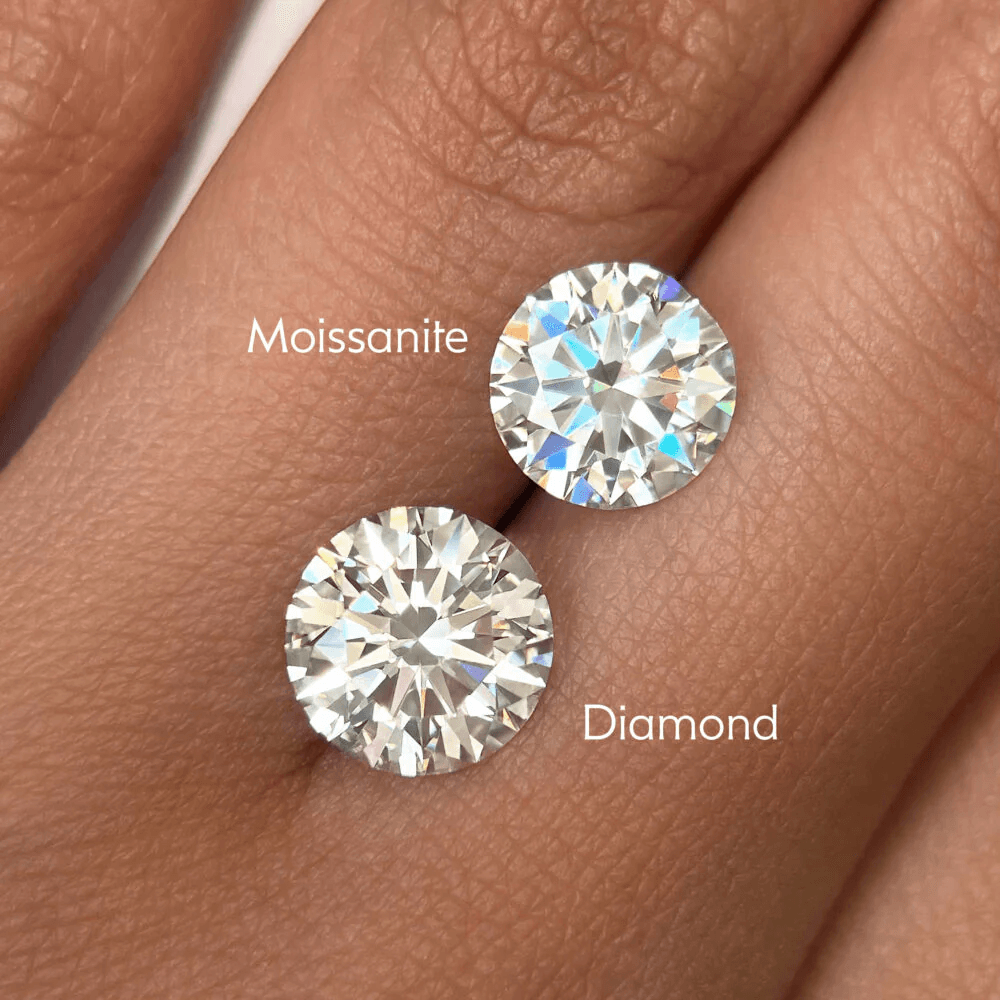
Moissanite has emerged as the most credible diamond alternative in the jewellery market. With a hardness of 9.25 (vs diamond’s 10) and even higher brilliance and fire, it presents both an opportunity and a competitive challenge for diamond wholesalers. This guide covers the key differences.

6 min read
Gemologist using a diamond tester probe on a loose stone under professional lighting
AUTHENTICATION

How to Tell If a Diamond Is Real: Professional Authentication Methods for B2B Buyers

Diamond simulants — cubic zirconia, moissanite, white sapphire, and glass — can fool the untrained eye. For wholesale buyers handling uncertified parcels or verifying certified goods, knowing how to authenticate diamonds quickly and reliably is a critical professional skill.

6 min read
Brilliant cut diamonds arranged on a price evaluation sheet with tweezers
PRICING GUIDE

Diamond Price Per Carat in 2025: What Determines Cost and How to Get the Best Value

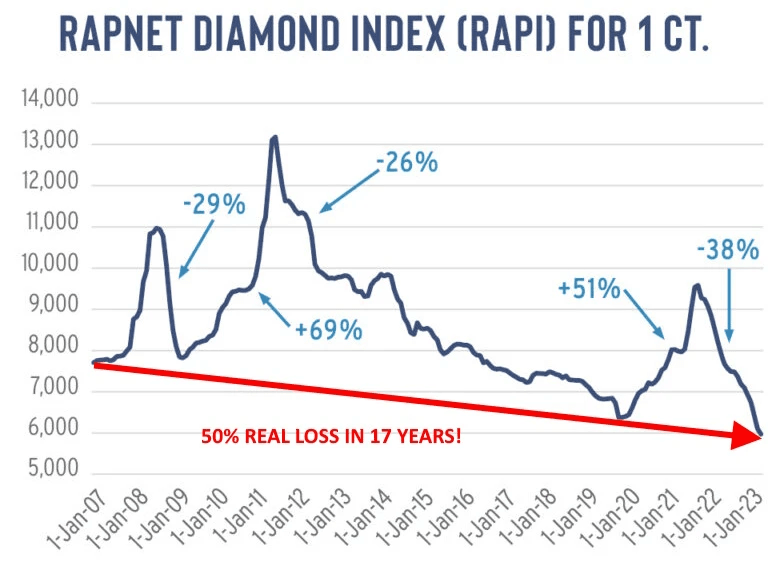
Diamond pricing is opaque by design. The Rapaport Price List sets a benchmark, but actual transaction prices vary dramatically based on shape, fluorescence, market conditions, and supplier relationships. This guide demystifies per-carat pricing for wholesale buyers.

7 min read
Wholesale diamond buyer examining a loose stone parcel with loupe at a trade desk
WHOLESALE CHECKLIST

The B2B Diamond Buying Checklist: 12 Points to Verify Before Every Parcel Purchase

Every experienced wholesale diamond buyer has a mental checklist they run before committing to a parcel. This article makes that checklist explicit — covering certificate verification, physical inspection, pricing benchmarks, export documentation, and logistics — so new and intermediate buyers can operate like veterans.

6 min read
Certified diamond parcel sealed in tamper-evident packaging with Kimberley Process documentation
ETHICAL SOURCING

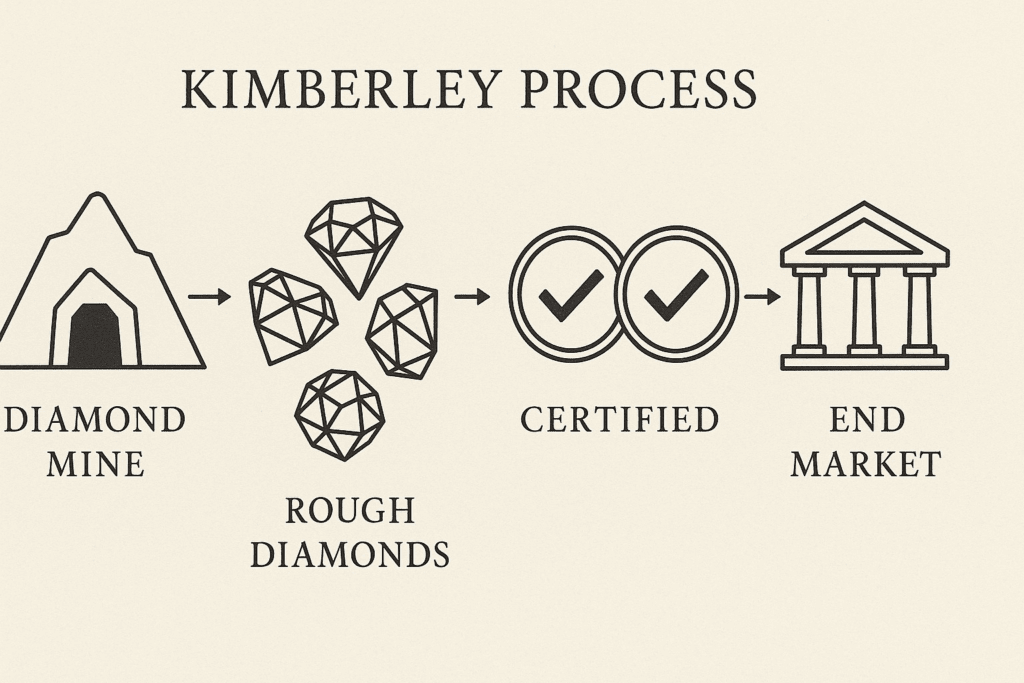
The Kimberley Process Explained: Conflict-Free Diamond Certification for Buyers

The Kimberley Process Certification Scheme (KPCS) requires participating governments to certify that rough diamond exports are conflict-free. For B2B buyers, understanding its scope — and its limitations — is essential for responsible sourcing.

5 min read
Close-up of a polished lab grown diamond showing internal clarity and facet structure
PRODUCTION METHODS

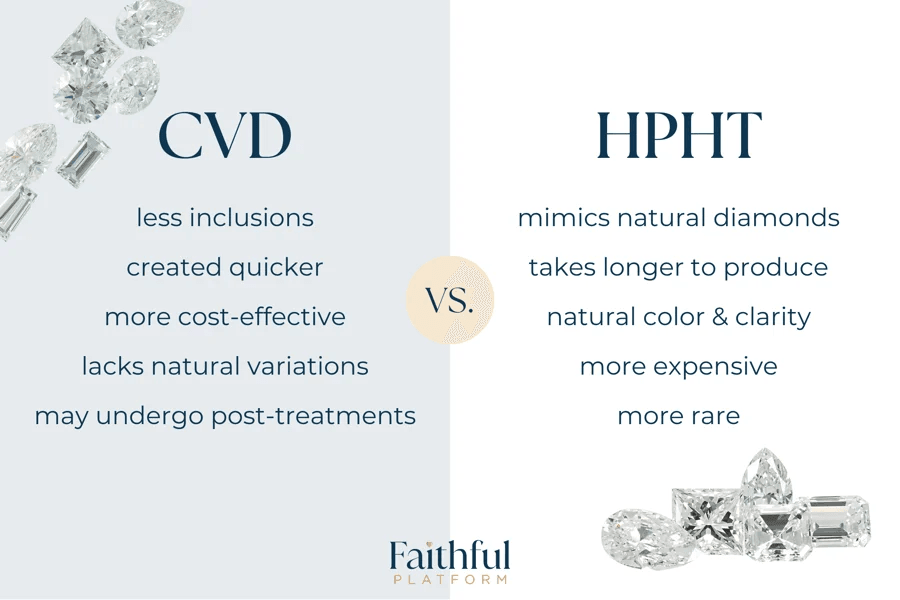
CVD vs HPHT Lab Grown Diamonds: What’s the Difference and Does It Matter?

Chemical Vapour Deposition (CVD) and High Pressure High Temperature (HPHT) are the two methods used to grow diamonds in laboratory settings. While the resulting stones are chemically identical to natural diamonds, the two processes have different strengths, cost profiles, and applications.

5 min read
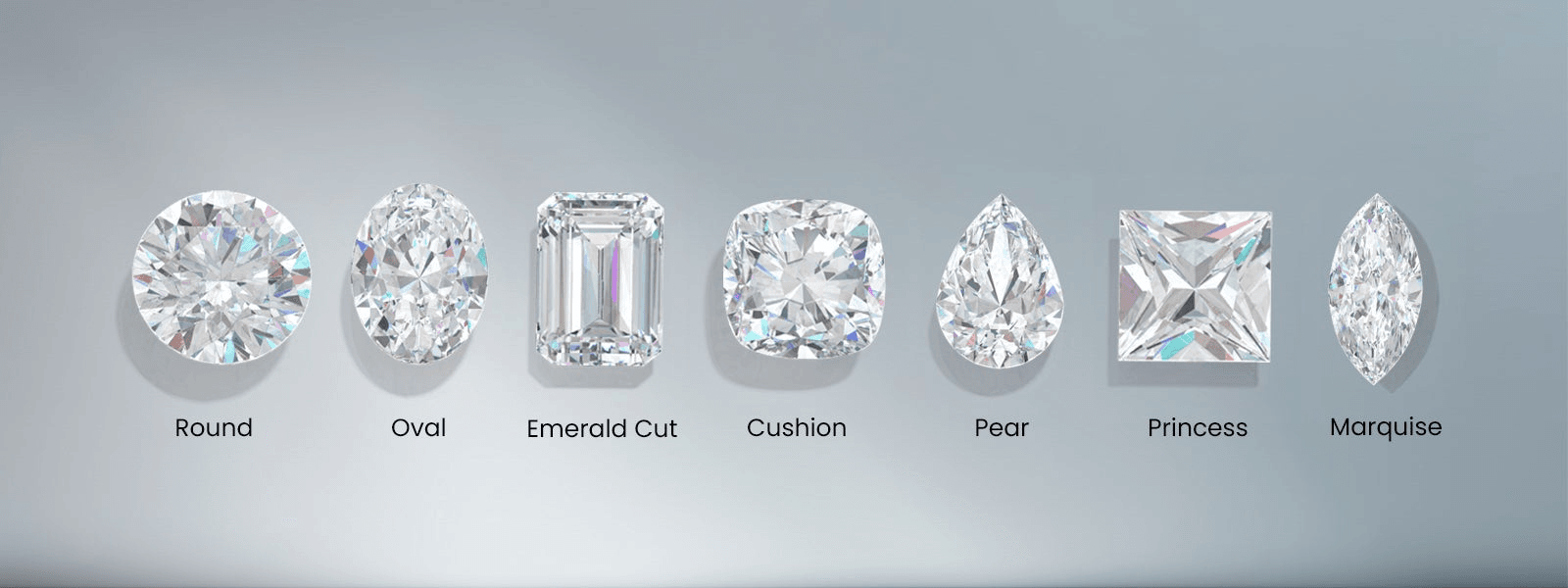
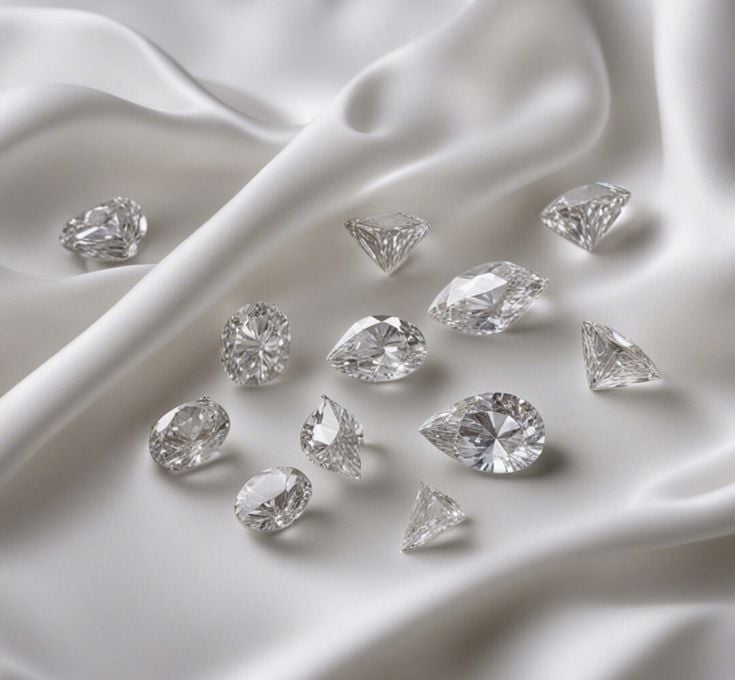
Various diamond shapes arranged on a white surface showing round, oval, emerald and pear cuts
SHAPES & CUTS

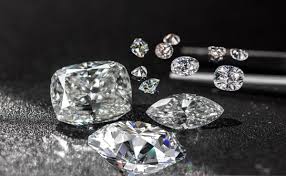
Diamond Shapes Explained: From Round Brilliant to Elongated Fancy Cuts

Shape is the first visual decision in any diamond purchase and drives significant price variance across the market. This guide covers round brilliant, princess, oval, cushion, emerald, pear, marquise, radiant, asscher, and heart shapes — with sourcing notes for each.

7 min read
Diamond bourse trade hall with buyers examining loose stone parcels
DIAMOND INDUSTRY

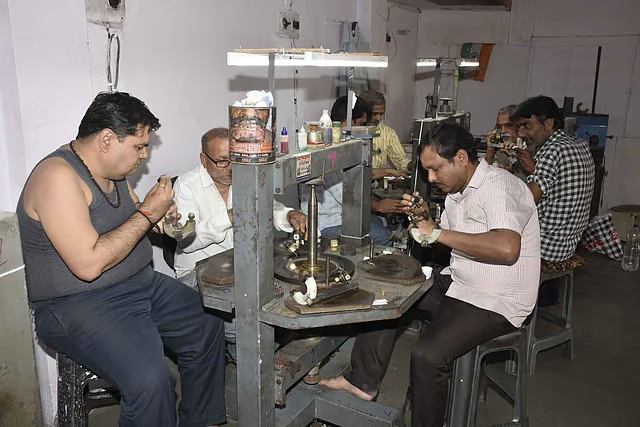
Why Surat is the World’s Diamond Cutting and Polishing Capital

Over 90% of the world’s diamonds are cut and polished in Surat. Understanding the city’s industrial infrastructure, skilled workforce, and trade ecosystem is essential context for any international B2B buyer sourcing from India.

5 min read
Diamond cutter at work in Surat facility examining a loose stone under magnification
GIA CERTIFICATION

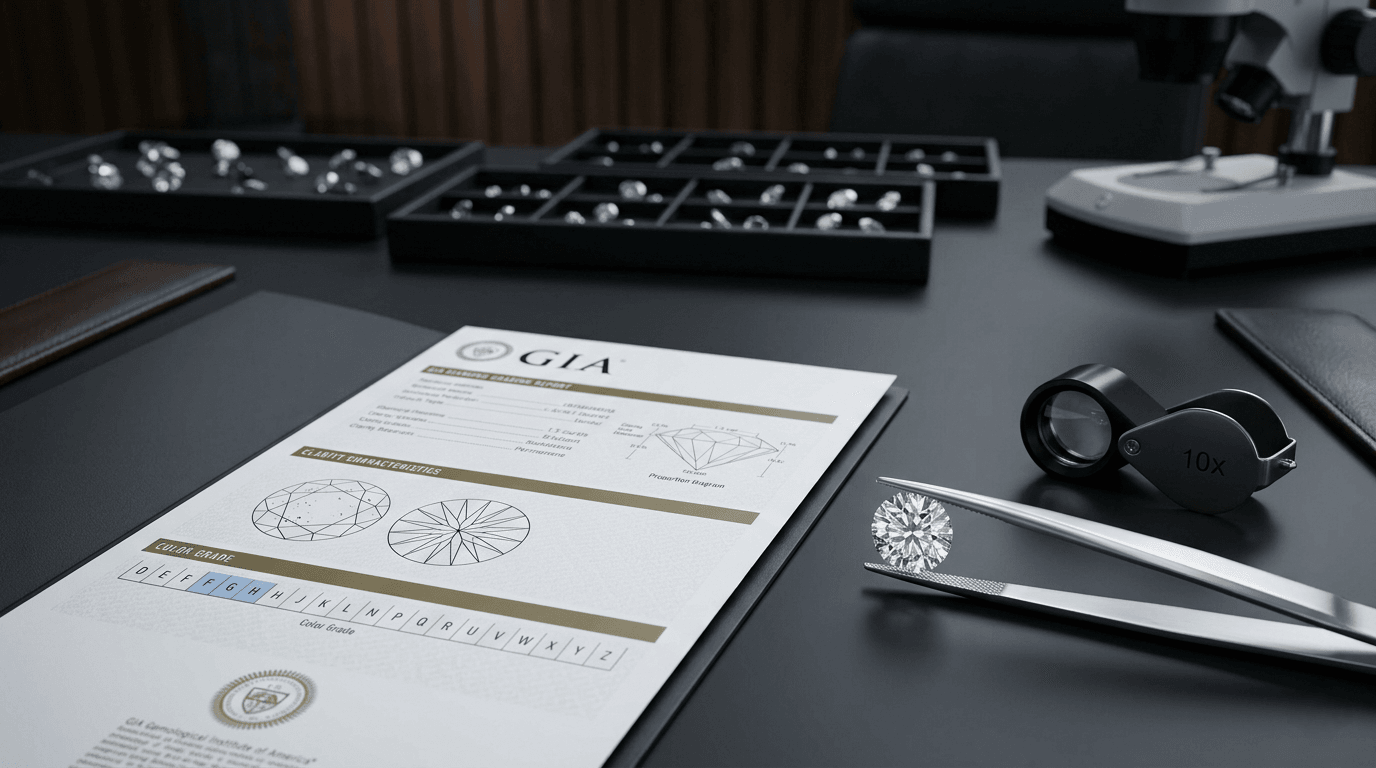
How to Read a GIA Diamond Grading Report: A Field Guide for Wholesale Buyers

A GIA grading report is a legal and commercial document. Misreading it — or not reading it at all — costs wholesale buyers real money. This guide walks through every field on a GIA Diamond Dossier and Full Grading Report.

6 min read
Loose mixed-shape diamond parcel including lab grown and natural stones ready for export
LAB GROWN DIAMONDS

Natural vs Lab Grown Diamonds: What Every B2B Buyer Must Know in 2025

Lab grown diamond prices have declined dramatically since 2020, while natural diamond values have held or appreciated. Understanding the fundamental and market differences is essential for any serious wholesale buyer in 2025.

7 min read
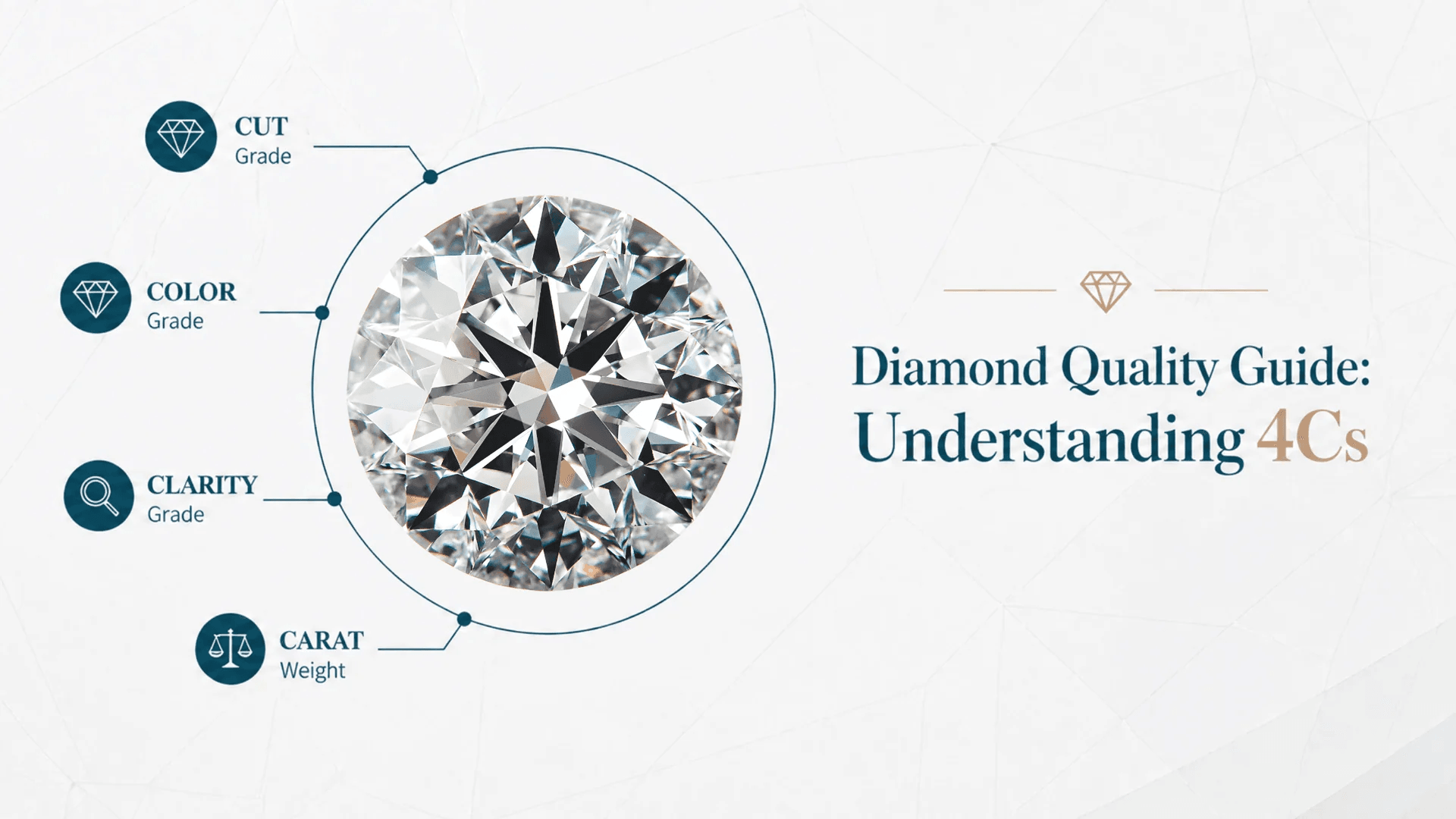
Round brilliant diamond viewed from above showing facet symmetry and fire
BUYER’S GUIDE

Understanding the 4Cs: The Complete Buyer’s Guide to Diamond Quality

The GIA’s 4C framework is the universal language of diamond valuation. For wholesale buyers, mastering it is non-negotiable — it determines price negotiation, parcel acceptance, and downstream retail margins.

8 min read
◆ STAY INFORMED

Get Diamond Insights in Your Inbox

Join 1,200+ B2B buyers who receive our monthly market brief — price trends, new arrivals, and industry intelligence.